
The Tru Guide
Before you buy the lot:
Essential advice for Arizona Custom-Home Buyers

Selecting land for your future custom home is an incredibly exciting milestone. Standing on a prospective property, it’s easy to get lost in the views while imagining where the heart of the home will be, how the backyard will transition into your daily life, and where everyone will eventually gather to unwind.
However, after decades of custom home construction across Arizona, I’ve learned a vital lesson: a stunning lot isn’t always a buildable one—at least, not in the exact way you might first envision it.
While acreage and panoramas are important, they are only fragments of the story. Factors like drainage, setbacks, soil integrity, utility access, and local community standards all play a role in determining what is possible—and what it will cost to achieve your vision.
This is exactly why I recommend bringing an experienced builder into the conversation before you sign on the dotted line. It’s one of the most proactive steps you can take to protect your investment. Here are the key considerations I suggest evaluating before you fully commit to a piece of land.
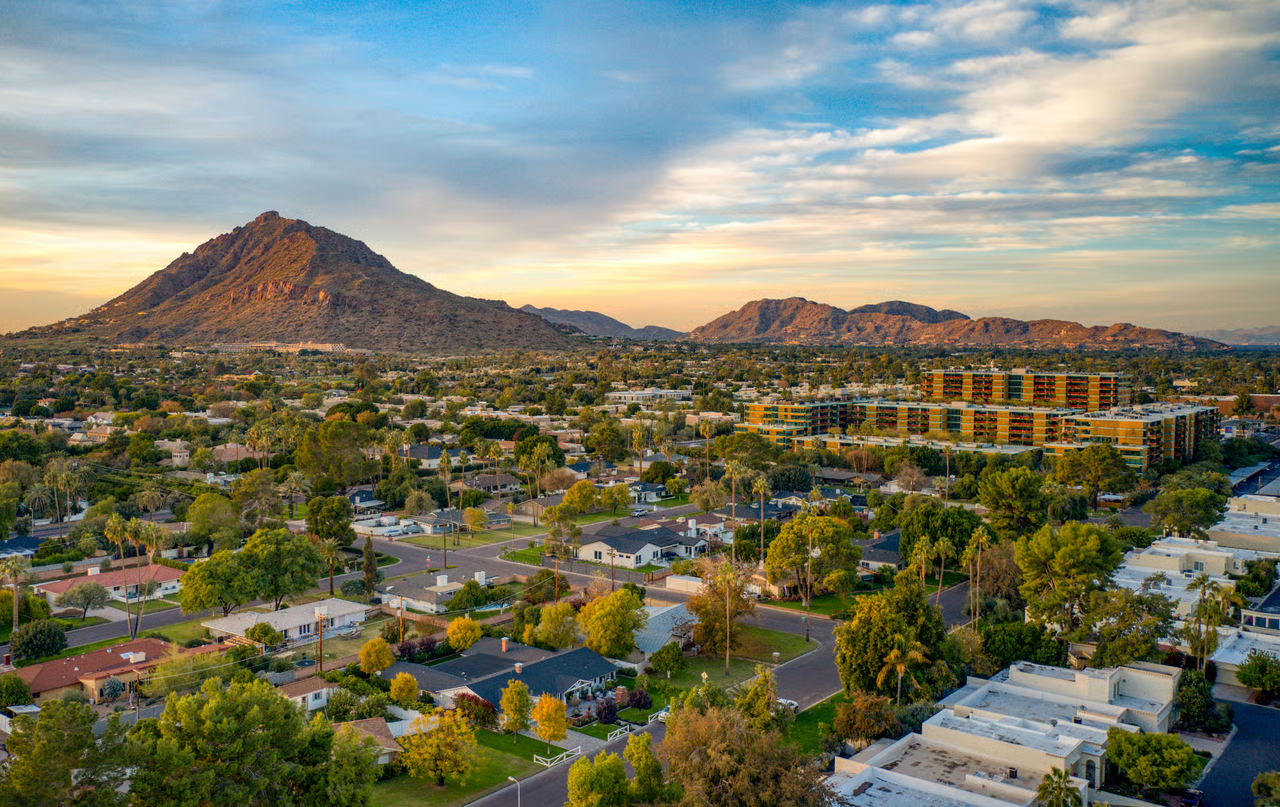
1. Understanding your True Buildable footprint
A lot may appear expansive on paper, but that doesn’t translate to having the entire area available for your home. Property line setbacks dictate how far structures must be positioned from the edges, while access or utility easements can further restrict placement. Many Arizona communities also enforce specific building envelopes that govern where the house, pool, and driveway can be situated.
In areas like Scottsdale, additional layers such as native vegetation protection, natural washes, and hillside requirements can significantly shape the usable space. This doesn’t make a lot a “bad” investment; it just means the home design must respect the land’s boundaries.
The question you need answered before you buy is simple: Can the home you are imagining realistically fit on this specific property?

2. Dont overlook drainage and natural landscapes
As we navigate monsoon season in August, it’s the perfect time to remind buyers that water always finds a path in the desert. A site that looks dry and flat today might channel significant volumes of water during a heavy storm.
Natural washes and surrounding elevations dictate how water moves across your site. Proper grading isn’t just a requirement; it’s what protects your foundation, landscaping, and neighbor relations. Depending on your location, this may require complex drainage planning before construction can even begin.
Expert custom construction works in harmony with the land rather than trying to force a design that doesn’t belong.

3. Identifying Utility Access and Hidden Infrastructure cost
Utilities might be the least glamorous part of building, but they can be a major budget shifter. You’ll want to confirm reasonable access to essentials such as:
- Water and sewer (or approved septic options)
- Electrical and natural gas lines
- Internet and communication infrastructure
- Construction and emergency vehicle access
Two lots might have similar price tags but vastly different development requirements. If utilities aren’t nearby, extending them might involve trenching, specialized equipment, or roadway repairs. These hidden logistics rarely show up in a listing photo, but they heavily impact your timeline and bottom line.

4. Analyzing the soil and subsurface conditions
What lies beneath the surface dictates how your home must be engineered. Arizona terrain can range from hard caliche and rock to loose soils or previously filled areas. Sloped or hillside properties often require extensive excavation and specialized foundation systems.
A challenging site can still host a beautiful home, but you need to identify these conditions early. An experienced site review and soil evaluation provide your design team with data that is far more valuable than a guess.

5. Planning for the sun before finalizing the plan
While it’s natural to prioritize the view, the sun’s path is equally important in the desert. An unshaded west-facing wall of glass might capture a sunset, but it will also invite intense afternoon heat. We always evaluate:
- Strategic window placement to highlight views without heat gain
- The comfort and usability of outdoor gathering zones
- Privacy needs and natural light integration
- How the home, pool, and landscape will coexist as one environment
A custom home should feel like it truly belongs to the land it sits on, and orientation is the first step in making that a reality

6. Navigating community and hoa standards
City permits are only part of the puzzle. Many Arizona properties are governed by architectural guidelines, private deed restrictions, or HOA requirements. These rules often specify:
- Approved architectural styles and building heights
- Exterior materials, rooflines, and color palettes
- Native plant preservation and landscape designs
- Standards for fencing, gates, and walls
Understanding these constraints early prevents the heartbreak of designing a home that doesn’t meet community standards.

7. involving your builder during due diligence
The best time to partner with a builder is while you are still evaluating the land. We see properties through a practical lens—assessing site prep, budget risks, and crew accessibility. That early perspective helps you compare options accurately and move into the design phase with total confidence.
Conclusion: Built the Tru Way
A successful custom build doesn’t start with floor plans or finishes; it begins with land that can truly support the life you want to lead. Your lot should do more than offer a view—it should align with your budget and the environmental realities of Arizona. At Tru Builders, we’re here to help you get it right from day one, ensuring the home you’ve imagined belongs on the land you choose.

Max Christiansen
Founder, Sales Director